

Industry Experts Predict Cloud Solutions to be a Key Lever in Sustainability Strategies

In today’s environmentally conscious world, businesses are increasingly seeking sustainable solutions to minimise their impact on the environment. Ambitious goals from global leaders are driving change throughout the technology industry. A key example is Microsoft’s aim to be carbon negative by 2030 and remove all the carbon it has emitted from the environment by 2050. With this in mind, cloud-based software is becoming a powerful tool, offering significant environmental benefits compared to traditional on-premises IT infrastructure.
As environmental concerns escalate, Intergy find ourselves at the forefront of this movement alongside Microsoft, empowering businesses to operate efficiently and responsibly. We’ve always said to our clients – “If you can dream it, we can build it, in a more sustainable way,” and our goal is to hold true to that statement.

The Growing Urgency of Sustainability

Environmental concerns are no longer a peripheral issue; they are a core business imperative. Consumers increasingly demand eco-conscious practices from the companies they support, and regulations around carbon emissions are tightening worldwide. Businesses that fail to adapt risk losing market share and facing financial penalties.

the-growing-urgency-of-Sustainability-2.jpg

While we often associate pollution with traditional industries, the reality is that on-premises IT infrastructure generates a staggering amount of carbon emissions. Studies suggest that these configurations account for up to 3.7% of global greenhouse gas emissions. That's a significant footprint hidden right under our keyboards!

environmental-advantages-of-cloud-computing.jpg

The Environmental Advantages of Cloud Computing

Cloud-based software offers a compelling answer to these challenges. Ofcom reported on various studies showing that by eliminating the need for physical servers, storage, and networking equipment, cloud deployments can reduce energy consumption by up to 80% compared to on-premises IT. However, the benefits of the cloud extend far beyond energy savings:
smaller-physical-footprint.png

Smaller Physical Footprint

Eliminating the need for physical servers, storage, and networking equipment minimises the physical footprint of IT infrastructure, reducing associated emissions and resource consumption.

reduced-energy-consumption.png

Reduced Energy Consumption

Cloud data centres are designed for energy efficiency, using advanced cooling systems and renewable energy sources.

enhanced-resource-usage.png

Enhanced Resource Usage

Cloud platforms enable efficient resource allocation and scaling based on demand, eliminating the need for underutilised on-premises hardware and the energy it consumes.

sustainable-software-development1.png

Sustainable Software Development

Leading cloud providers prioritise sustainable practices in their software development processes, such as using energy-efficient coding techniques and green data centres.

Ultimately, cloud computing not only offers cost and performance benefits but also contributes to a more sustainable and environmentally friendly approach to IT infrastructure management. Our very own Directors, David and Guna – sum it up by saying “Think of on-premises IT as running a personal power plant, whilst the cloud can be likened to plugging into a vast, distributed grid. It offers instant access to resources and scales effortlessly with your business. That’s the value we want to offer our clients.”

BMP+ Biofouling - A Real-World Case Study

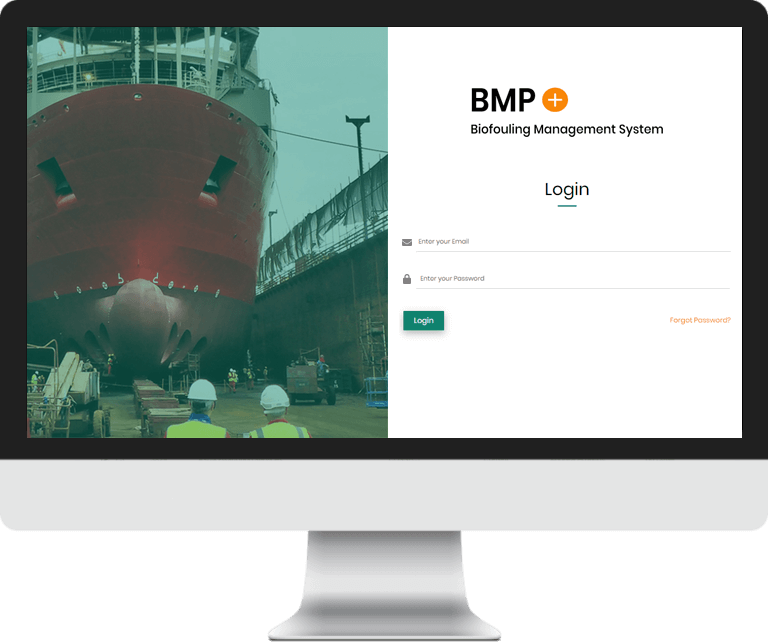
BMP+, a revolutionary biofouling management solution, stands at the forefront of environmental and maritime innovation. Developed by Intergy, this custom software application is instrumental in promoting best practices and environmental stewardship within the marine vessel industry. It serves as a comprehensive system for reporting, managing, and ensuring compliance among Australian shipping vessels.
Given the various differing roles within a biofouling assessment, it was important to keep key personnel, such as site administrators and dry dock specialists at the helm of managing the information and processes, with admins having cloud access to upload and store data upon completion of an assessment. Cloud integration was therefore used with Intergy ensuring all data for BMP+ was backed up to (and accessible from) the Azure cloud environment that the software was developed in. This project has enabled a more environmentally sustainable approach to biofouling management, and increased the efficiency of large cargo vessels since its launch, contributing to a greener future for the maritime industry.
bmp+ dashboard-mockup.png

Industry Leaders Embrace the Cloud for Sustainability

Along with Microsoft’s ambitious carbon negative goals, many other major companies are making significant strides towards reducing the environmental impact of their operations with cloud technology. CIOs are actively incorporating sustainability into their cloud adoption strategies, and major companies like Walmart, Unilever, and Schneider Electric are leveraging cloud solutions to achieve significant carbon emission reductions.
At Intergy, we recognise the critical role of cloud technology in achieving environmental sustainability and strive to go beyond simply recommending cloud solutions. We offer a comprehensive suite of services to help businesses migrate to the cloud seamlessly and sustainably. This includes:”
industry-leaders-embrace-the-cloud-for-sustainability-1.jpg

Considerations for Sustainable Development

While cloud technology opens doors to significant environmental benefits, businesses must approach it holistically, acknowledging potential drawbacks and implementing responsible practices to maximise sustainability. After all, simply shifting operations to the cloud doesn’t guarantee sustainability.
Data transfer between user devices and the cloud consumes energy, and the carbon footprint of these exchanges needs careful consideration.
cloud-services.jpg
Analysing data traffic patterns and optimising them for minimal transfer volume becomes crucial. Additionally, the energy consumption of user devices accessing cloud applications should be addressed. Encouraging energy-efficient devices and educating users on responsible usage practices can make a significant difference. Finally, selecting cloud providers who prioritise sustainability matters. Researching their energy sources, cooling systems, and commitment to renewable energy investments empowers businesses to make informed decisions that align with their own environmental goals. Our expertise in cloud architecture and development can help businesses leverage these tools effectively to maximise their sustainability benefits.

The Future is Green: Embracing Innovation and Collaboration

As cloud technology continues to evolve, its potential for environmental impact reduction becomes even more significant. Advancements in areas like edge computing and artificial intelligence can further optimise resource usage and unlock new sustainable practices. We truly believe that by embracing cloud-based software solutions and partnering with sustainability-focused companies like us, businesses can significantly reduce their carbon footprint and operate more responsibly. This not only benefits the environment but also enhances brand reputation, attracts eco-conscious consumers, and positions businesses for long-term success in an increasingly sustainable world. The future of sustainability is undoubtedly intertwined with the cloud, and by embracing cloud-based solutions, businesses can not only achieve their operational goals but also contribute to a greener future.
To find out more, or to book a free cloud-readiness consultation, please contact us via the form below.
bmp

To learn more, visit www.intergy.com.au

TEll US about Your Project

Call us on 1300 739 117 or complete the form to book your free consultation and discover how we can add value to your business software solutions.

Our Valued Clients